Sequential logic design is a fundamental concept in the field of logic design, playing a crucial role in the development of digital systems. Unlike combinational logic, which operates based solely on the current inputs, sequential logic incorporates feedback to store information about past inputs and produce outputs based on both current and past input states. This allows sequential logic circuits to exhibit memory and perform more complex functions than combinational logic circuits.
Category : Logic Design en | Sub Category : Sequential Logic Design Posted on 2023-07-07 21:24:53
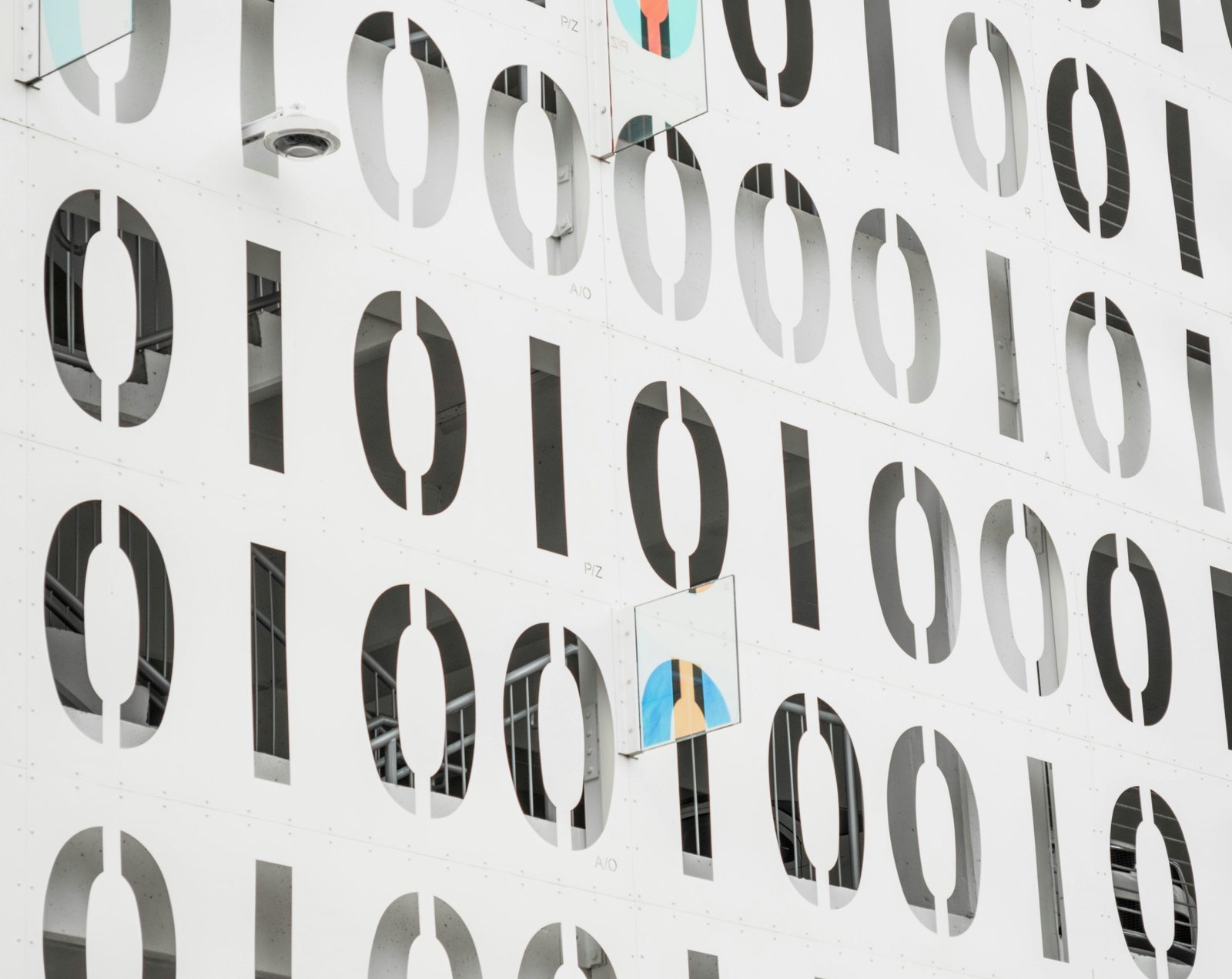
Sequential logic design is a fundamental concept in the field of logic design, playing a crucial role in the development of digital systems. Unlike combinational logic, which operates based solely on the current inputs, sequential logic incorporates feedback to store information about past inputs and produce outputs based on both current and past input states. This allows sequential logic circuits to exhibit memory and perform more complex functions than combinational logic circuits.
One of the key components in sequential logic design is the flip-flop, which is a bistable multivibrator circuit capable of storing one bit of information. Flip-flops come in various types such as D flip-flops, JK flip-flops, and T flip-flops, each serving different purposes in the design of sequential logic circuits.
Sequential logic design also involves the use of state machines, which are abstract models that define the behavior of a system based on its current state and input. State machines can be implemented using sequential logic circuits, allowing for the development of systems with defined sequences of operation and behavior.
Timing considerations are critical in sequential logic design to ensure proper operation of the circuit. Timing issues such as clock skew, setup time, and hold time must be carefully analyzed and accounted for to prevent errors and malfunctions in the system.
Overall, sequential logic design is a fascinating area of study that forms the backbone of digital systems. By understanding the principles of sequential logic design and mastering the implementation of flip-flops, state machines, and timing considerations, designers can create efficient and reliable digital systems for a wide range of applications.
Leave a Comment:
SEARCH
Recent News
- Zurich, Switzerland: Exploring Numerical Methods
- Zurich, Switzerland is a vibrant and cosmopolitan city known for its stunning natural beauty, historic architecture, and high quality of life. In recent years, Zurich has also gained recognition as a leading global financial hub and a key player in the digital economy. One interesting aspect of Zurich's thriving business landscape is its establishment as a "matrix" for various industries and technologies.
- Zurich, Switzerland is not only known for its stunning views, vibrant culture, and high standard of living, but also for its strong emphasis on mathematics education. With a rich history in the field of mathematics and a commitment to excellence in STEM (Science, Technology, Engineering, and Mathematics) education, Zurich has established itself as a hub for mathematical research and innovation.
- Zurich, Switzerland is a city that is renowned for its logical approach to various aspects of life. From its efficient public transportation system to its well-organized urban planning, Zurich exemplifies a sense of logic and order that is evident in every corner of the city.
- Tips for Creating and Translating Math Content for YouTube
- The Logic Behind Creating and Translating YouTube Content
- Exploring Numerical Methods on YouTube Channels
- YouTube has become a popular platform for learning and education, offering a plethora of content from various fields, including mathematics. There are numerous YouTube channels dedicated to making math more accessible and engaging for viewers of all ages and skill levels. These channels cover a wide range of topics, from basic arithmetic to advanced calculus, making it easier for those seeking to improve their mathematical understanding.
READ MORE
10 months ago Category :

Zurich, Switzerland: Exploring Numerical Methods
Read More →10 months ago Category :

Zurich, Switzerland is a vibrant and cosmopolitan city known for its stunning natural beauty, historic architecture, and high quality of life. In recent years, Zurich has also gained recognition as a leading global financial hub and a key player in the digital economy. One interesting aspect of Zurich's thriving business landscape is its establishment as a "matrix" for various industries and technologies.
Read More →10 months ago Category :

Zurich, Switzerland is not only known for its stunning views, vibrant culture, and high standard of living, but also for its strong emphasis on mathematics education. With a rich history in the field of mathematics and a commitment to excellence in STEM (Science, Technology, Engineering, and Mathematics) education, Zurich has established itself as a hub for mathematical research and innovation.
Read More →10 months ago Category :
