Sequential logic circuits are an essential component of digital electronics, playing a crucial role in storing and processing information in electronic devices. Unlike combinational logic circuits, which output values solely based on the current input values, sequential logic circuits have memory elements that enable them to store past information and provide output values based on this stored information as well as the current input.
Category : Logic Circuits en | Sub Category : Sequential Logic Circuits Posted on 2023-07-07 21:24:53
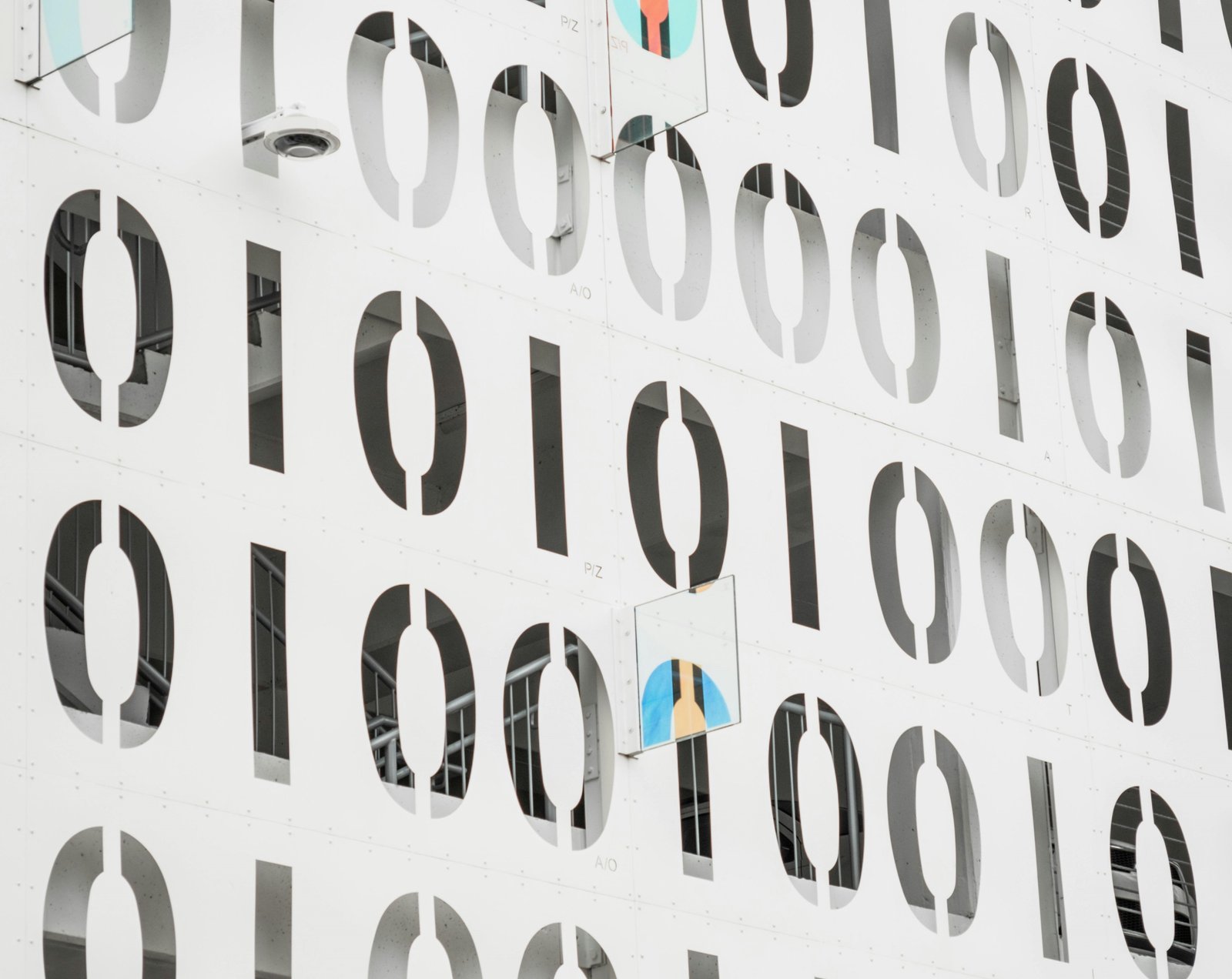
Sequential logic circuits are an essential component of digital electronics, playing a crucial role in storing and processing information in electronic devices. Unlike combinational logic circuits, which output values solely based on the current input values, sequential logic circuits have memory elements that enable them to store past information and provide output values based on this stored information as well as the current input.
One of the key components of a sequential logic circuit is the flip-flop, which serves as a basic storage element that can store one bit of information. Flip-flops come in different types, such as D flip-flops, JK flip-flops, and T flip-flops, each with its unique characteristics and functionality. These flip-flops are interconnected to form more complex sequential logic circuits, such as registers, counters, and memory units.
Sequential logic circuits can be classified into two main categories: synchronous and asynchronous circuits. In synchronous circuits, the flip-flops are controlled by a common clock signal, ensuring that all the flip-flops change their states simultaneously at the rising or falling edge of the clock. This synchronization simplifies the design and analysis of the circuit but can introduce some timing issues if not implemented correctly.
On the other hand, asynchronous circuits do not rely on a common clock signal and instead change their states based on specific input conditions. While asynchronous circuits can potentially operate faster and consume less power compared to synchronous circuits, they are generally more complex to design and analyze due to the lack of a global clock signal for synchronization.
Sequential logic circuits find applications in various digital systems, including microprocessors, memory units, data storage devices, and control systems. By effectively storing and processing information over time, these circuits enable the execution of complex operations and the implementation of advanced functionalities in electronic devices.
In conclusion, sequential logic circuits play a critical role in digital electronics by enabling the storage and processing of information over time. Understanding the principles behind sequential logic circuits and their various components is essential for designing efficient and reliable digital systems. Whether synchronous or asynchronous, these circuits form the backbone of modern digital technology, powering the devices and systems that we rely on in our daily lives.
Leave a Comment:
SEARCH
Recent News
- Zurich, Switzerland: Exploring Numerical Methods
- Zurich, Switzerland is a vibrant and cosmopolitan city known for its stunning natural beauty, historic architecture, and high quality of life. In recent years, Zurich has also gained recognition as a leading global financial hub and a key player in the digital economy. One interesting aspect of Zurich's thriving business landscape is its establishment as a "matrix" for various industries and technologies.
- Zurich, Switzerland is not only known for its stunning views, vibrant culture, and high standard of living, but also for its strong emphasis on mathematics education. With a rich history in the field of mathematics and a commitment to excellence in STEM (Science, Technology, Engineering, and Mathematics) education, Zurich has established itself as a hub for mathematical research and innovation.
- Zurich, Switzerland is a city that is renowned for its logical approach to various aspects of life. From its efficient public transportation system to its well-organized urban planning, Zurich exemplifies a sense of logic and order that is evident in every corner of the city.
- Tips for Creating and Translating Math Content for YouTube
- The Logic Behind Creating and Translating YouTube Content
- Exploring Numerical Methods on YouTube Channels
- YouTube has become a popular platform for learning and education, offering a plethora of content from various fields, including mathematics. There are numerous YouTube channels dedicated to making math more accessible and engaging for viewers of all ages and skill levels. These channels cover a wide range of topics, from basic arithmetic to advanced calculus, making it easier for those seeking to improve their mathematical understanding.
READ MORE
10 months ago Category :

Zurich, Switzerland: Exploring Numerical Methods
Read More →10 months ago Category :

Zurich, Switzerland is a vibrant and cosmopolitan city known for its stunning natural beauty, historic architecture, and high quality of life. In recent years, Zurich has also gained recognition as a leading global financial hub and a key player in the digital economy. One interesting aspect of Zurich's thriving business landscape is its establishment as a "matrix" for various industries and technologies.
Read More →10 months ago Category :

Zurich, Switzerland is not only known for its stunning views, vibrant culture, and high standard of living, but also for its strong emphasis on mathematics education. With a rich history in the field of mathematics and a commitment to excellence in STEM (Science, Technology, Engineering, and Mathematics) education, Zurich has established itself as a hub for mathematical research and innovation.
Read More →10 months ago Category :
