Logic gates are fundamental building blocks in digital electronics and play a crucial role in the functionality of computers, smartphones, and other digital devices. These gates are designed to manipulate and process logical binary information, where input signals are in the form of 0s and 1s, representing false and true states, respectively.
Category : Digital Logic en | Sub Category : Logic Gates Posted on 2023-07-07 21:24:53
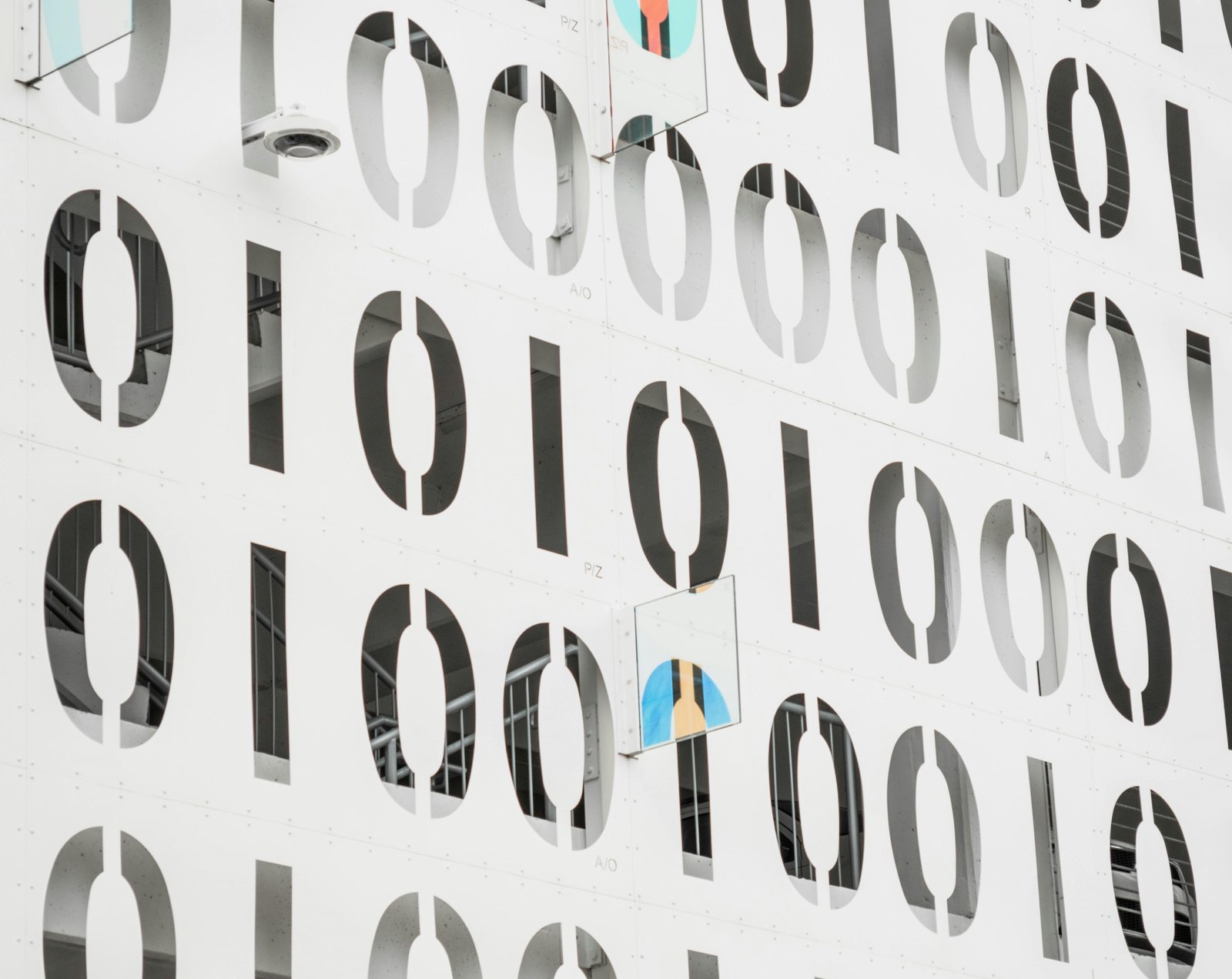
Logic gates are fundamental building blocks in digital electronics and play a crucial role in the functionality of computers, smartphones, and other digital devices. These gates are designed to manipulate and process logical binary information, where input signals are in the form of 0s and 1s, representing false and true states, respectively.
There are several types of logic gates, each with its unique function and truth table. The basic logic gates include AND, OR, NOT, XOR, NAND, and NOR gates. These gates operate based on Boolean logic principles, which determine the output value based on the input values.
The AND gate produces a high (1) output only when all its input signals are high. The OR gate generates a high output if any of its input signals is high. The NOT gate, also known as an inverter, produces the opposite of its input signal. The XOR gate produces a high output when the number of high input signals is odd. The NAND gate produces a low output only when all its input signals are high. The NOR gate produces a low output if any of its input signals is high.
Logic gates can be combined to form more complex circuits to perform specific functions such as arithmetic operations, data storage, and control operations. These circuits are the building blocks of digital systems and are used in various applications ranging from simple calculators to advanced computers.
Overall, logic gates are essential components in digital electronics, enabling the processing and manipulation of binary data in electronic devices. Understanding how these gates function and how they can be interconnected to form complex circuits is crucial for anyone working in the field of digital logic design.
Leave a Comment:
SEARCH
Recent News
- Zurich, Switzerland: Exploring Numerical Methods
- Zurich, Switzerland is a vibrant and cosmopolitan city known for its stunning natural beauty, historic architecture, and high quality of life. In recent years, Zurich has also gained recognition as a leading global financial hub and a key player in the digital economy. One interesting aspect of Zurich's thriving business landscape is its establishment as a "matrix" for various industries and technologies.
- Zurich, Switzerland is not only known for its stunning views, vibrant culture, and high standard of living, but also for its strong emphasis on mathematics education. With a rich history in the field of mathematics and a commitment to excellence in STEM (Science, Technology, Engineering, and Mathematics) education, Zurich has established itself as a hub for mathematical research and innovation.
- Zurich, Switzerland is a city that is renowned for its logical approach to various aspects of life. From its efficient public transportation system to its well-organized urban planning, Zurich exemplifies a sense of logic and order that is evident in every corner of the city.
- Tips for Creating and Translating Math Content for YouTube
- The Logic Behind Creating and Translating YouTube Content
- Exploring Numerical Methods on YouTube Channels
- YouTube has become a popular platform for learning and education, offering a plethora of content from various fields, including mathematics. There are numerous YouTube channels dedicated to making math more accessible and engaging for viewers of all ages and skill levels. These channels cover a wide range of topics, from basic arithmetic to advanced calculus, making it easier for those seeking to improve their mathematical understanding.
READ MORE
10 months ago Category :

Zurich, Switzerland: Exploring Numerical Methods
Read More →10 months ago Category :

Zurich, Switzerland is a vibrant and cosmopolitan city known for its stunning natural beauty, historic architecture, and high quality of life. In recent years, Zurich has also gained recognition as a leading global financial hub and a key player in the digital economy. One interesting aspect of Zurich's thriving business landscape is its establishment as a "matrix" for various industries and technologies.
Read More →10 months ago Category :

Zurich, Switzerland is not only known for its stunning views, vibrant culture, and high standard of living, but also for its strong emphasis on mathematics education. With a rich history in the field of mathematics and a commitment to excellence in STEM (Science, Technology, Engineering, and Mathematics) education, Zurich has established itself as a hub for mathematical research and innovation.
Read More →10 months ago Category :
