Numerical methods are a crucial component of mathematics and science, enabling us to solve complex problems that involve numerical computations. These methods involve using mathematical algorithms and logic to approximate solutions to mathematical problems that may not have exact analytical solutions. In this blog post, we will explore the importance of logic in numerical methods and how it is utilized to achieve accurate and reliable results.
Category : | Sub Category : Posted on 2025-11-03 22:25:23
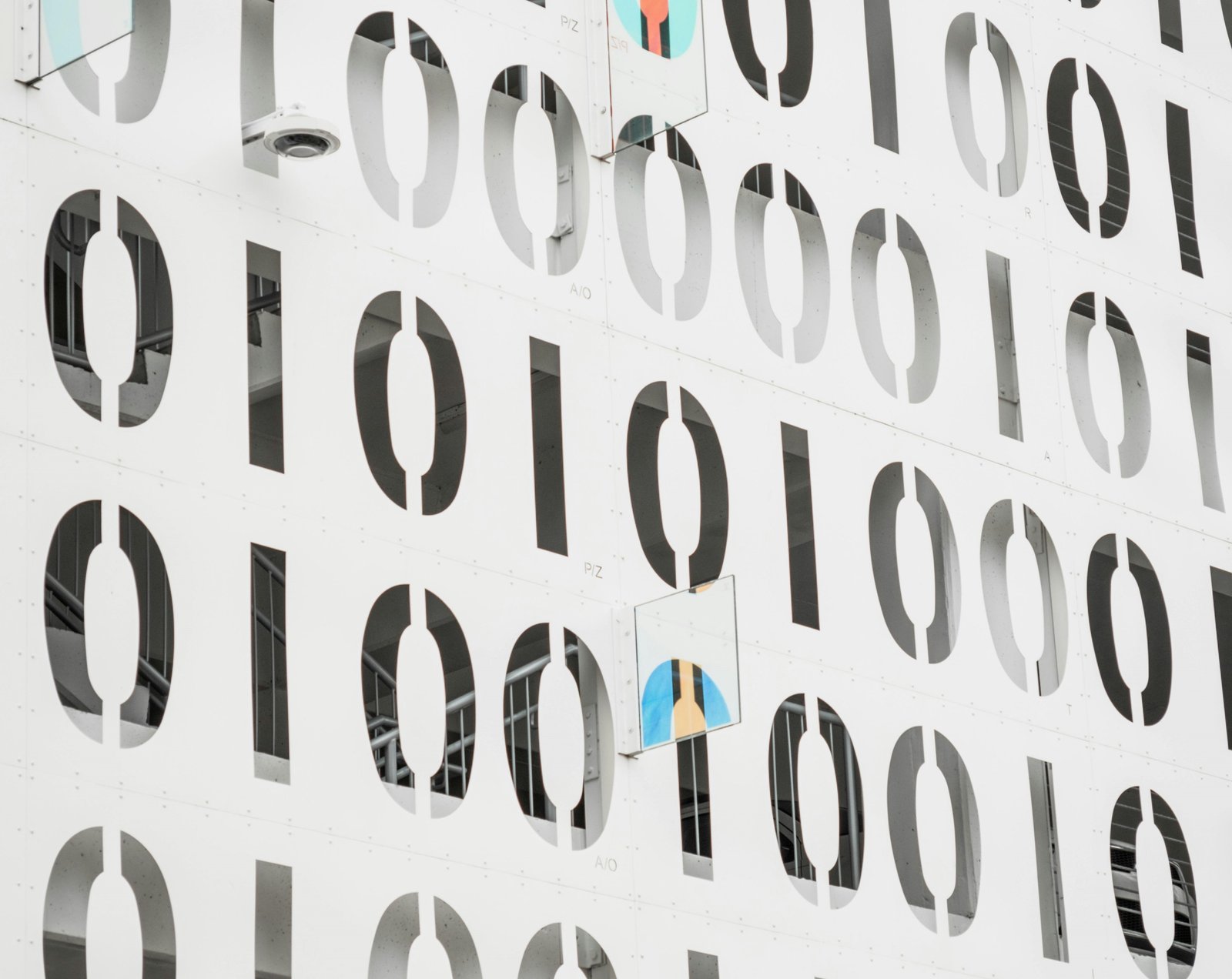
Logic plays a fundamental role in numerical methods by guiding the decision-making process at every step of a computational algorithm. When we are solving numerical problems, we often encounter situations where we need to make decisions based on certain conditions or criteria. This is where logical reasoning comes into play, helping us determine the next course of action based on the information available. One of the key aspects of logic in numerical methods is the use of conditional statements, such as if-else statements, to control the flow of the algorithm. These statements allow us to execute different parts of the algorithm based on specific conditions, ensuring that the computations proceed in the correct manner. For example, in an iterative numerical method like the Newton-Raphson method for finding roots of equations, logical checks are used to determine when to stop the iteration once a sufficiently accurate solution is obtained. Another important application of logic in numerical methods is error handling and validation. Since numerical algorithms are often prone to errors due to approximations and rounding, it is essential to incorporate logic for detecting and managing these errors. By implementing logical checks and validations within the algorithm, we can ensure that the results produced are reliable and accurate. Furthermore, logic is also utilized in optimizing numerical algorithms for efficiency and speed. By carefully designing the algorithm with logical considerations in mind, we can streamline the computations and reduce unnecessary calculations, leading to faster convergence and overall performance improvement. In conclusion, logic plays a vital role in numerical methods by guiding the decision-making process, handling errors, and optimizing algorithms for efficiency. By incorporating logical reasoning into the design and implementation of numerical algorithms, we can achieve more accurate and reliable solutions to a wide range of mathematical problems. Explore expert opinions in https://www.computacion.org For an in-depth examination, refer to https://www.matrices.org
Leave a Comment:
SEARCH
Recent News
- Zurich, Switzerland: Exploring Numerical Methods
- Zurich, Switzerland is a vibrant and cosmopolitan city known for its stunning natural beauty, historic architecture, and high quality of life. In recent years, Zurich has also gained recognition as a leading global financial hub and a key player in the digital economy. One interesting aspect of Zurich's thriving business landscape is its establishment as a "matrix" for various industries and technologies.
- Zurich, Switzerland is not only known for its stunning views, vibrant culture, and high standard of living, but also for its strong emphasis on mathematics education. With a rich history in the field of mathematics and a commitment to excellence in STEM (Science, Technology, Engineering, and Mathematics) education, Zurich has established itself as a hub for mathematical research and innovation.
- Zurich, Switzerland is a city that is renowned for its logical approach to various aspects of life. From its efficient public transportation system to its well-organized urban planning, Zurich exemplifies a sense of logic and order that is evident in every corner of the city.
- Tips for Creating and Translating Math Content for YouTube
- The Logic Behind Creating and Translating YouTube Content
- Exploring Numerical Methods on YouTube Channels
- YouTube has become a popular platform for learning and education, offering a plethora of content from various fields, including mathematics. There are numerous YouTube channels dedicated to making math more accessible and engaging for viewers of all ages and skill levels. These channels cover a wide range of topics, from basic arithmetic to advanced calculus, making it easier for those seeking to improve their mathematical understanding.
READ MORE
11 months ago Category :

Zurich, Switzerland: Exploring Numerical Methods
Read More →11 months ago Category :

Zurich, Switzerland is a vibrant and cosmopolitan city known for its stunning natural beauty, historic architecture, and high quality of life. In recent years, Zurich has also gained recognition as a leading global financial hub and a key player in the digital economy. One interesting aspect of Zurich's thriving business landscape is its establishment as a "matrix" for various industries and technologies.
Read More →11 months ago Category :

Zurich, Switzerland is not only known for its stunning views, vibrant culture, and high standard of living, but also for its strong emphasis on mathematics education. With a rich history in the field of mathematics and a commitment to excellence in STEM (Science, Technology, Engineering, and Mathematics) education, Zurich has established itself as a hub for mathematical research and innovation.
Read More →11 months ago Category :
