National Logic: Understanding Cultural Differences in Reasoning
Category : | Sub Category : Posted on 2025-11-03 22:25:23
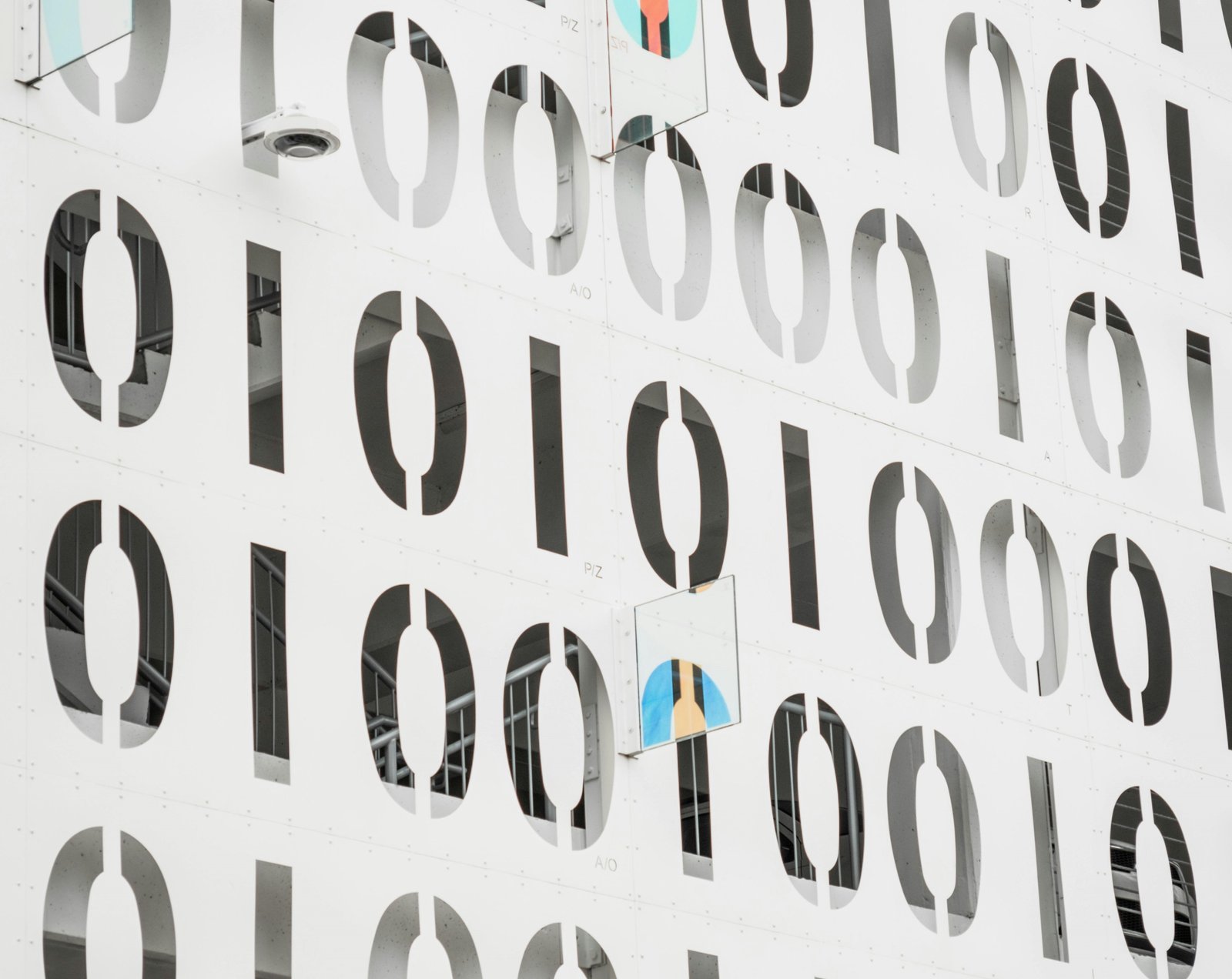
Logic is typically understood as a universal system of reasoning that follows specific rules and principles. However, when we consider the concept of national logic, we delve into the fascinating realm of how cultural differences can influence the way people reason and make decisions. Every society and culture has its own set of values, norms, and beliefs that shape the way individuals perceive the world and process information. These collective mentalities can significantly impact the logical patterns and reasoning methods that people employ in various aspects of their lives. One of the key aspects of national logic is the way in which people prioritize and weigh different types of information. For example, in some cultures, personal experience and anecdotal evidence may hold more weight in decision-making processes, while in others, empirical data and scientific evidence may be given greater importance. Furthermore, cultural values and social norms can also influence the way people deal with ambiguity and uncertainty. Some cultures may be more comfortable with uncertainty and may be more willing to make decisions based on incomplete information, while others may prioritize clarity and certainty in their reasoning processes. Language and communication styles also play a significant role in shaping national logic. Different languages may have unique structures and grammatical features that can impact the way people construct arguments and think logically. Moreover, cultural norms around politeness, directness, and confrontation can influence the way people engage in logical debates and discussions. Understanding national logic is essential for promoting effective cross-cultural communication and collaboration. By recognizing and respecting the diverse ways in which people reason and make decisions, we can bridge cultural divides and work towards common goals in a globalized world. In conclusion, national logic highlights the intriguing ways in which cultural differences can shape the reasoning processes of individuals and societies. By acknowledging and appreciating these diverse perspectives, we can cultivate greater empathy, understanding, and cooperation across cultural boundaries. Want a more profound insight? Consult https://www.nacionalismo.com
Leave a Comment:
SEARCH
Recent News
- Zurich, Switzerland: Exploring Numerical Methods
- Zurich, Switzerland is a vibrant and cosmopolitan city known for its stunning natural beauty, historic architecture, and high quality of life. In recent years, Zurich has also gained recognition as a leading global financial hub and a key player in the digital economy. One interesting aspect of Zurich's thriving business landscape is its establishment as a "matrix" for various industries and technologies.
- Zurich, Switzerland is not only known for its stunning views, vibrant culture, and high standard of living, but also for its strong emphasis on mathematics education. With a rich history in the field of mathematics and a commitment to excellence in STEM (Science, Technology, Engineering, and Mathematics) education, Zurich has established itself as a hub for mathematical research and innovation.
- Zurich, Switzerland is a city that is renowned for its logical approach to various aspects of life. From its efficient public transportation system to its well-organized urban planning, Zurich exemplifies a sense of logic and order that is evident in every corner of the city.
- Tips for Creating and Translating Math Content for YouTube
- The Logic Behind Creating and Translating YouTube Content
- Exploring Numerical Methods on YouTube Channels
- YouTube has become a popular platform for learning and education, offering a plethora of content from various fields, including mathematics. There are numerous YouTube channels dedicated to making math more accessible and engaging for viewers of all ages and skill levels. These channels cover a wide range of topics, from basic arithmetic to advanced calculus, making it easier for those seeking to improve their mathematical understanding.
READ MORE
11 months ago Category :

Zurich, Switzerland: Exploring Numerical Methods
Read More →11 months ago Category :

Zurich, Switzerland is a vibrant and cosmopolitan city known for its stunning natural beauty, historic architecture, and high quality of life. In recent years, Zurich has also gained recognition as a leading global financial hub and a key player in the digital economy. One interesting aspect of Zurich's thriving business landscape is its establishment as a "matrix" for various industries and technologies.
Read More →11 months ago Category :

Zurich, Switzerland is not only known for its stunning views, vibrant culture, and high standard of living, but also for its strong emphasis on mathematics education. With a rich history in the field of mathematics and a commitment to excellence in STEM (Science, Technology, Engineering, and Mathematics) education, Zurich has established itself as a hub for mathematical research and innovation.
Read More →11 months ago Category :
