Matrix Operations in Payment Platforms
Category : | Sub Category : Posted on 2025-11-03 22:25:23
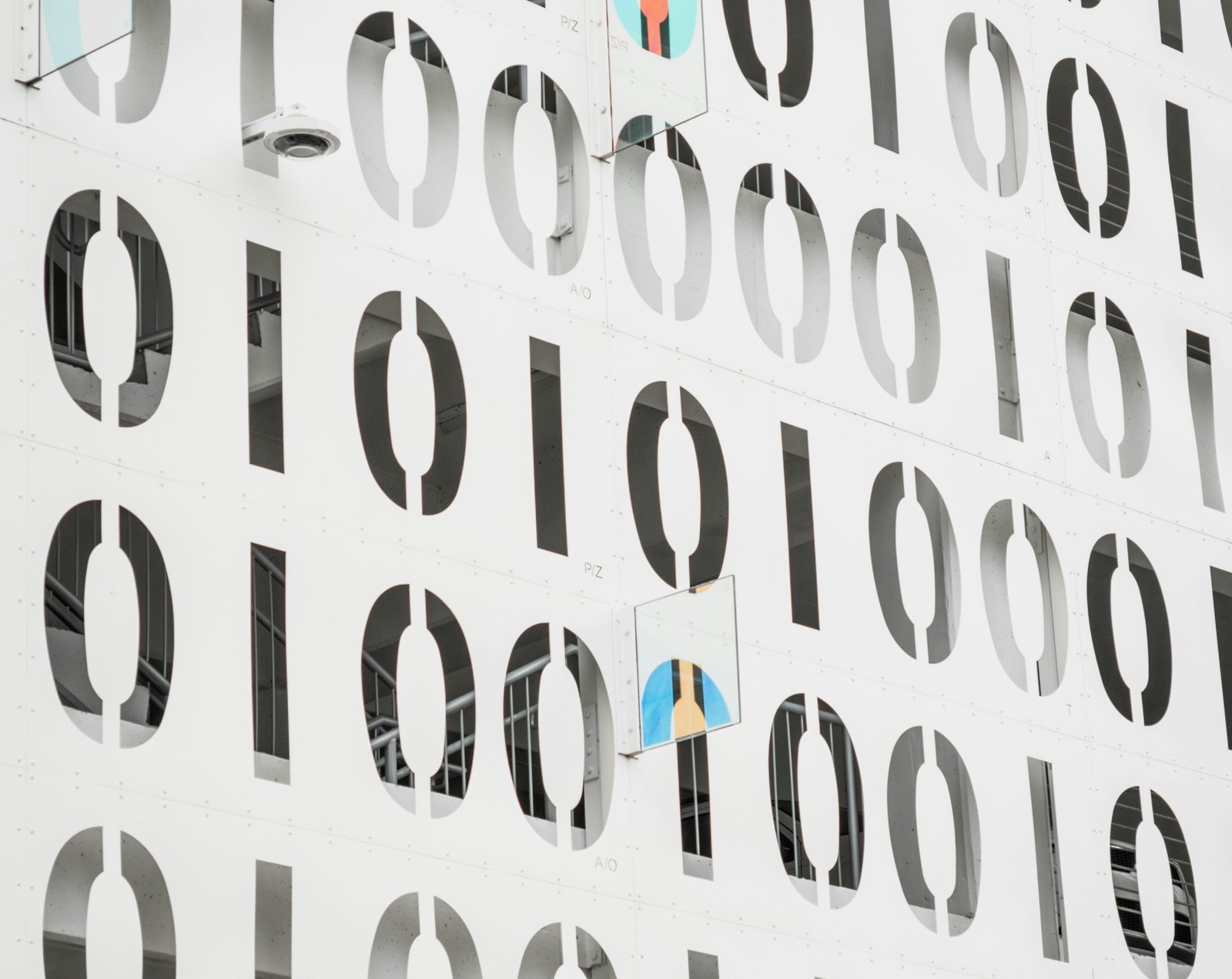
matrix operations play a crucial role in the behind-the-scenes functionality of payment platforms. These operations involve using mathematical matrices to perform various calculations and manipulations that help facilitate the processing of transactions, ensuring accuracy, efficiency, and security. One common application of matrix operations in payment platforms is fraud detection. Payment platforms use sophisticated algorithms that analyze transaction data and identify patterns that may indicate fraudulent activities. These algorithms often involve performing matrix operations such as matrix multiplication, transposition, and inversion to process and analyze large volumes of data efficiently. Matrix operations are also used in optimizing payment processing speeds. By using matrices to represent transaction data and processing rules, payment platforms can streamline the flow of information and quickly perform calculations to approve or decline transactions. This helps improve the overall speed and reliability of payment processing for users and merchants. Furthermore, matrix operations are essential for risk management in payment platforms. By creating risk models based on matrices that incorporate various factors such as transaction amounts, frequencies, and locations, payment platforms can assess and mitigate potential risks associated with processing transactions. This allows platforms to make informed decisions and prevent fraudulent activities or other risks before they occur. In addition, matrix operations are utilized in encryption techniques to secure transaction data and protect sensitive information from unauthorized access. By encoding transaction details into matrices and applying mathematical operations, payment platforms can ensure that data is securely transmitted and stored, safeguarding users' privacy and preventing data breaches. Overall, matrix operations play a fundamental role in the operation and security of payment platforms. By leveraging mathematical matrices and algorithms, payment platforms can enhance fraud detection, optimize processing speeds, manage risks effectively, and ensure the security of transactions, providing users and merchants with a reliable and secure payment experience.
Leave a Comment:
SEARCH
Recent News
- Zurich, Switzerland: Exploring Numerical Methods
- Zurich, Switzerland is a vibrant and cosmopolitan city known for its stunning natural beauty, historic architecture, and high quality of life. In recent years, Zurich has also gained recognition as a leading global financial hub and a key player in the digital economy. One interesting aspect of Zurich's thriving business landscape is its establishment as a "matrix" for various industries and technologies.
- Zurich, Switzerland is not only known for its stunning views, vibrant culture, and high standard of living, but also for its strong emphasis on mathematics education. With a rich history in the field of mathematics and a commitment to excellence in STEM (Science, Technology, Engineering, and Mathematics) education, Zurich has established itself as a hub for mathematical research and innovation.
- Zurich, Switzerland is a city that is renowned for its logical approach to various aspects of life. From its efficient public transportation system to its well-organized urban planning, Zurich exemplifies a sense of logic and order that is evident in every corner of the city.
- Tips for Creating and Translating Math Content for YouTube
- The Logic Behind Creating and Translating YouTube Content
- Exploring Numerical Methods on YouTube Channels
- YouTube has become a popular platform for learning and education, offering a plethora of content from various fields, including mathematics. There are numerous YouTube channels dedicated to making math more accessible and engaging for viewers of all ages and skill levels. These channels cover a wide range of topics, from basic arithmetic to advanced calculus, making it easier for those seeking to improve their mathematical understanding.
READ MORE
11 months ago Category :

Zurich, Switzerland: Exploring Numerical Methods
Read More →11 months ago Category :

Zurich, Switzerland is a vibrant and cosmopolitan city known for its stunning natural beauty, historic architecture, and high quality of life. In recent years, Zurich has also gained recognition as a leading global financial hub and a key player in the digital economy. One interesting aspect of Zurich's thriving business landscape is its establishment as a "matrix" for various industries and technologies.
Read More →11 months ago Category :

Zurich, Switzerland is not only known for its stunning views, vibrant culture, and high standard of living, but also for its strong emphasis on mathematics education. With a rich history in the field of mathematics and a commitment to excellence in STEM (Science, Technology, Engineering, and Mathematics) education, Zurich has established itself as a hub for mathematical research and innovation.
Read More →11 months ago Category :
