When it comes to matrix operations and inductive reasoning, there is a deep connection between the two concepts that can be explored to gain a better understanding of both topics.
Category : | Sub Category : Posted on 2025-11-03 22:25:23
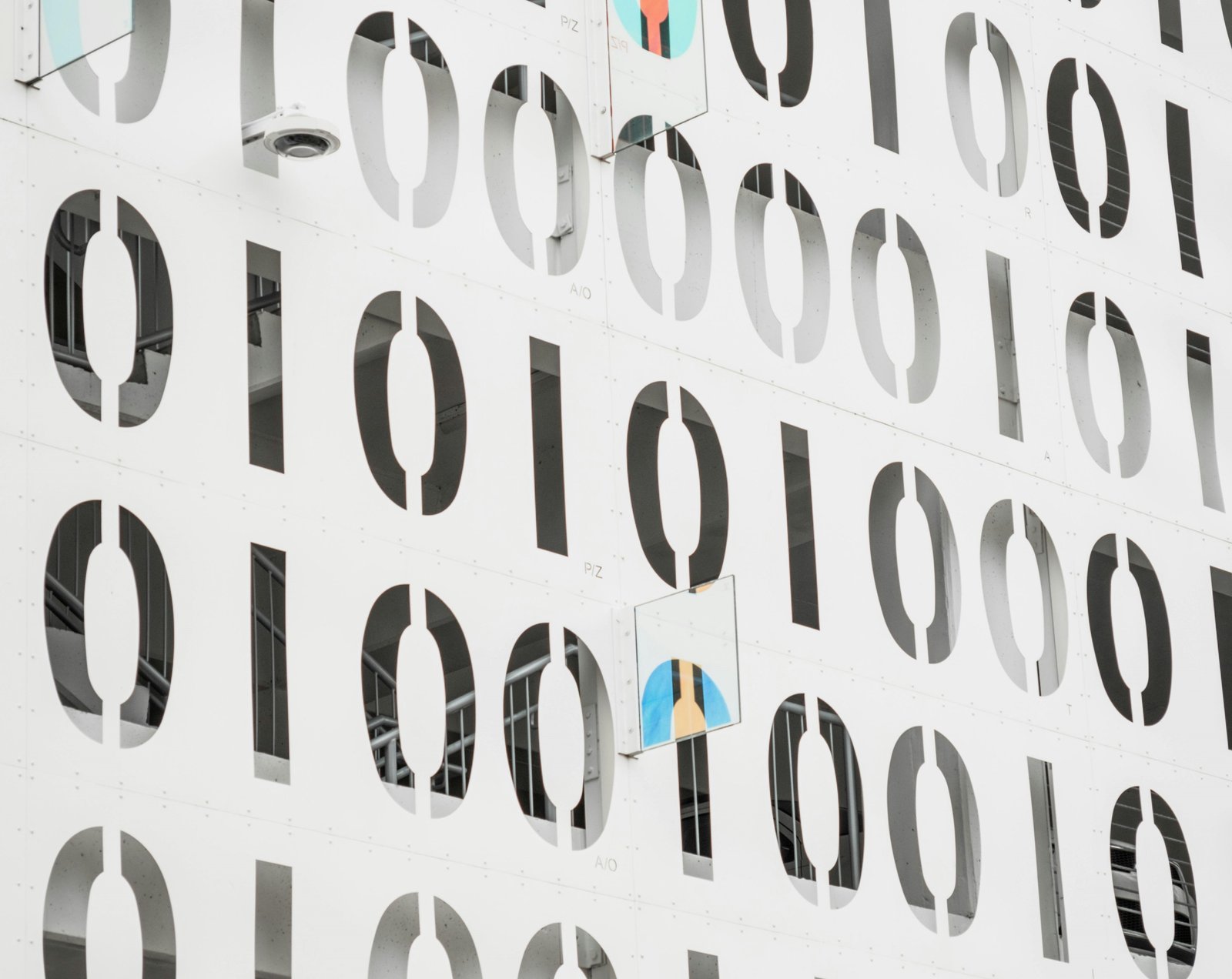
matrices are fundamental mathematical objects that are used to represent data or perform various operations in fields such as physics, computer science, and engineering. They are composed of rows and columns of numbers, and can be manipulated using different operations such as addition, multiplication, and inversion. matrix operations involve performing calculations on matrices to achieve a desired result. Some common matrix operations include matrix addition, matrix multiplication, determinant calculation, and matrix inversion. These operations have various applications in solving system of linear equations, finding eigenvalues and eigenvectors, and performing transformations in computer graphics. Inductive reasoning, on the other hand, is a method of reasoning in which a general principle is derived from specific observations or instances. It involves making logical conclusions based on patterns or trends identified in a given set of data or observations. The connection between matrix operations and inductive reasoning lies in the application of logical reasoning to manipulate matrices and derive meaningful results. When performing matrix operations, one often relies on inductive reasoning to understand the underlying patterns or structures in the data and make informed decisions about how to proceed with the calculations. For example, when solving a system of linear equations using matrix operations, one may use inductive reasoning to identify a pattern in the coefficients of the equations and then apply matrix operations to find the values of the variables that satisfy all the equations simultaneously. In conclusion, the relationship between matrix operations and inductive reasoning highlights the importance of logical reasoning in manipulating matrices and interpreting the results of matrix calculations. By combining these two concepts, one can develop a deeper understanding of how matrices can be used to solve complex problems and make informed decisions based on data-driven insights.
Leave a Comment:
SEARCH
Recent News
- Zurich, Switzerland: Exploring Numerical Methods
- Zurich, Switzerland is a vibrant and cosmopolitan city known for its stunning natural beauty, historic architecture, and high quality of life. In recent years, Zurich has also gained recognition as a leading global financial hub and a key player in the digital economy. One interesting aspect of Zurich's thriving business landscape is its establishment as a "matrix" for various industries and technologies.
- Zurich, Switzerland is not only known for its stunning views, vibrant culture, and high standard of living, but also for its strong emphasis on mathematics education. With a rich history in the field of mathematics and a commitment to excellence in STEM (Science, Technology, Engineering, and Mathematics) education, Zurich has established itself as a hub for mathematical research and innovation.
- Zurich, Switzerland is a city that is renowned for its logical approach to various aspects of life. From its efficient public transportation system to its well-organized urban planning, Zurich exemplifies a sense of logic and order that is evident in every corner of the city.
- Tips for Creating and Translating Math Content for YouTube
- The Logic Behind Creating and Translating YouTube Content
- Exploring Numerical Methods on YouTube Channels
- YouTube has become a popular platform for learning and education, offering a plethora of content from various fields, including mathematics. There are numerous YouTube channels dedicated to making math more accessible and engaging for viewers of all ages and skill levels. These channels cover a wide range of topics, from basic arithmetic to advanced calculus, making it easier for those seeking to improve their mathematical understanding.
READ MORE
11 months ago Category :

Zurich, Switzerland: Exploring Numerical Methods
Read More →11 months ago Category :

Zurich, Switzerland is a vibrant and cosmopolitan city known for its stunning natural beauty, historic architecture, and high quality of life. In recent years, Zurich has also gained recognition as a leading global financial hub and a key player in the digital economy. One interesting aspect of Zurich's thriving business landscape is its establishment as a "matrix" for various industries and technologies.
Read More →11 months ago Category :

Zurich, Switzerland is not only known for its stunning views, vibrant culture, and high standard of living, but also for its strong emphasis on mathematics education. With a rich history in the field of mathematics and a commitment to excellence in STEM (Science, Technology, Engineering, and Mathematics) education, Zurich has established itself as a hub for mathematical research and innovation.
Read More →11 months ago Category :
