Digital wallets have revolutionized the way we handle our finances. These virtual wallets allow users to store, manage, and transact their money online securely and conveniently. One crucial component that powers digital wallets is logic.
Category : | Sub Category : Posted on 2025-11-03 22:25:23
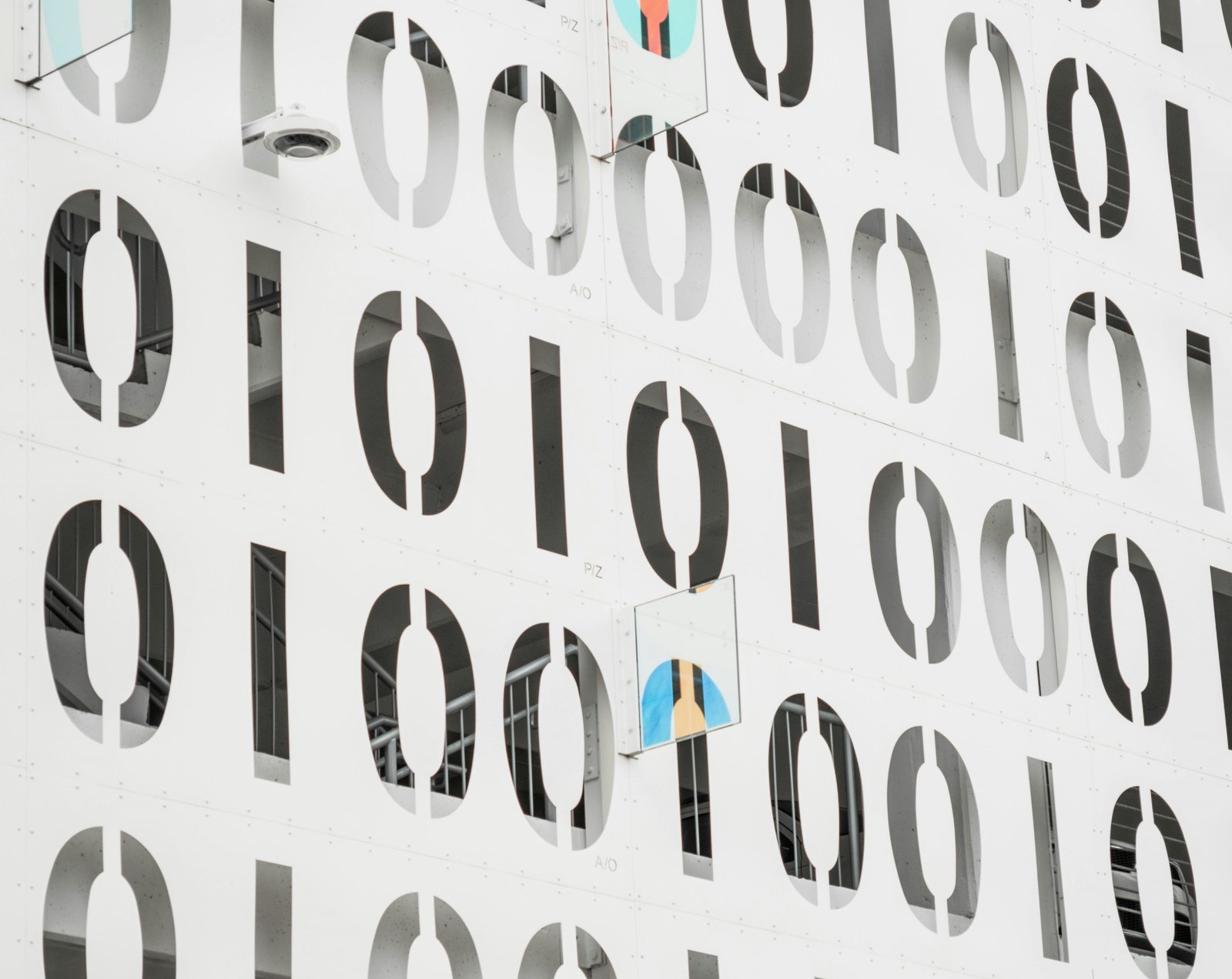
Logic plays a significant role in how digital wallets function. It ensures that transactions are processed accurately and securely. When a user initiates a payment or transfer through a digital wallet, a series of logical steps take place behind the scenes to confirm the transaction's legitimacy and facilitate the transfer of funds. At the core of digital wallets is a set of logical rules and algorithms that govern how transactions are executed. These rules dictate how funds are debited from the user's wallet, how they are transferred to the recipient, and how the transaction is confirmed to both parties. Without a robust logic system in place, digital wallets would be vulnerable to errors, fraud, and security breaches. One key aspect of logic in digital wallets is encryption. Encryption algorithms are used to secure the sensitive data stored in the wallet, such as account information and transaction details. By encoding this information, digital wallets ensure that unauthorized parties cannot access or manipulate it, maintaining the security and integrity of the user's funds. Furthermore, logic is essential for verifying the identity of users and merchants in digital wallet transactions. By implementing logical authentication methods, such as passwords, biometrics, or two-factor authentication, digital wallets can confirm the identity of parties involved in a transaction, reducing the risk of fraudulent activities. In conclusion, logic is a crucial component of digital wallets, ensuring that transactions are processed accurately, securely, and efficiently. By implementing logical rules and algorithms, digital wallets provide users with a safe and convenient way to manage their finances online. As technology continues to advance, the role of logic in digital wallets will only become more essential in safeguarding users' funds and information.
Leave a Comment:
SEARCH
Recent News
- Zurich, Switzerland: Exploring Numerical Methods
- Zurich, Switzerland is a vibrant and cosmopolitan city known for its stunning natural beauty, historic architecture, and high quality of life. In recent years, Zurich has also gained recognition as a leading global financial hub and a key player in the digital economy. One interesting aspect of Zurich's thriving business landscape is its establishment as a "matrix" for various industries and technologies.
- Zurich, Switzerland is not only known for its stunning views, vibrant culture, and high standard of living, but also for its strong emphasis on mathematics education. With a rich history in the field of mathematics and a commitment to excellence in STEM (Science, Technology, Engineering, and Mathematics) education, Zurich has established itself as a hub for mathematical research and innovation.
- Zurich, Switzerland is a city that is renowned for its logical approach to various aspects of life. From its efficient public transportation system to its well-organized urban planning, Zurich exemplifies a sense of logic and order that is evident in every corner of the city.
- Tips for Creating and Translating Math Content for YouTube
- The Logic Behind Creating and Translating YouTube Content
- Exploring Numerical Methods on YouTube Channels
- YouTube has become a popular platform for learning and education, offering a plethora of content from various fields, including mathematics. There are numerous YouTube channels dedicated to making math more accessible and engaging for viewers of all ages and skill levels. These channels cover a wide range of topics, from basic arithmetic to advanced calculus, making it easier for those seeking to improve their mathematical understanding.
READ MORE
11 months ago Category :

Zurich, Switzerland: Exploring Numerical Methods
Read More →11 months ago Category :

Zurich, Switzerland is a vibrant and cosmopolitan city known for its stunning natural beauty, historic architecture, and high quality of life. In recent years, Zurich has also gained recognition as a leading global financial hub and a key player in the digital economy. One interesting aspect of Zurich's thriving business landscape is its establishment as a "matrix" for various industries and technologies.
Read More →11 months ago Category :

Zurich, Switzerland is not only known for its stunning views, vibrant culture, and high standard of living, but also for its strong emphasis on mathematics education. With a rich history in the field of mathematics and a commitment to excellence in STEM (Science, Technology, Engineering, and Mathematics) education, Zurich has established itself as a hub for mathematical research and innovation.
Read More →11 months ago Category :
