Advancements in technology have revolutionized the field of prosthetics, particularly in the development of advanced arm prosthetics. These high-tech devices are designed to improve the quality of life for individuals who have lost a limb by providing them with increased functionality, comfort, and aesthetics.
Category : | Sub Category : Posted on 2025-11-03 22:25:23
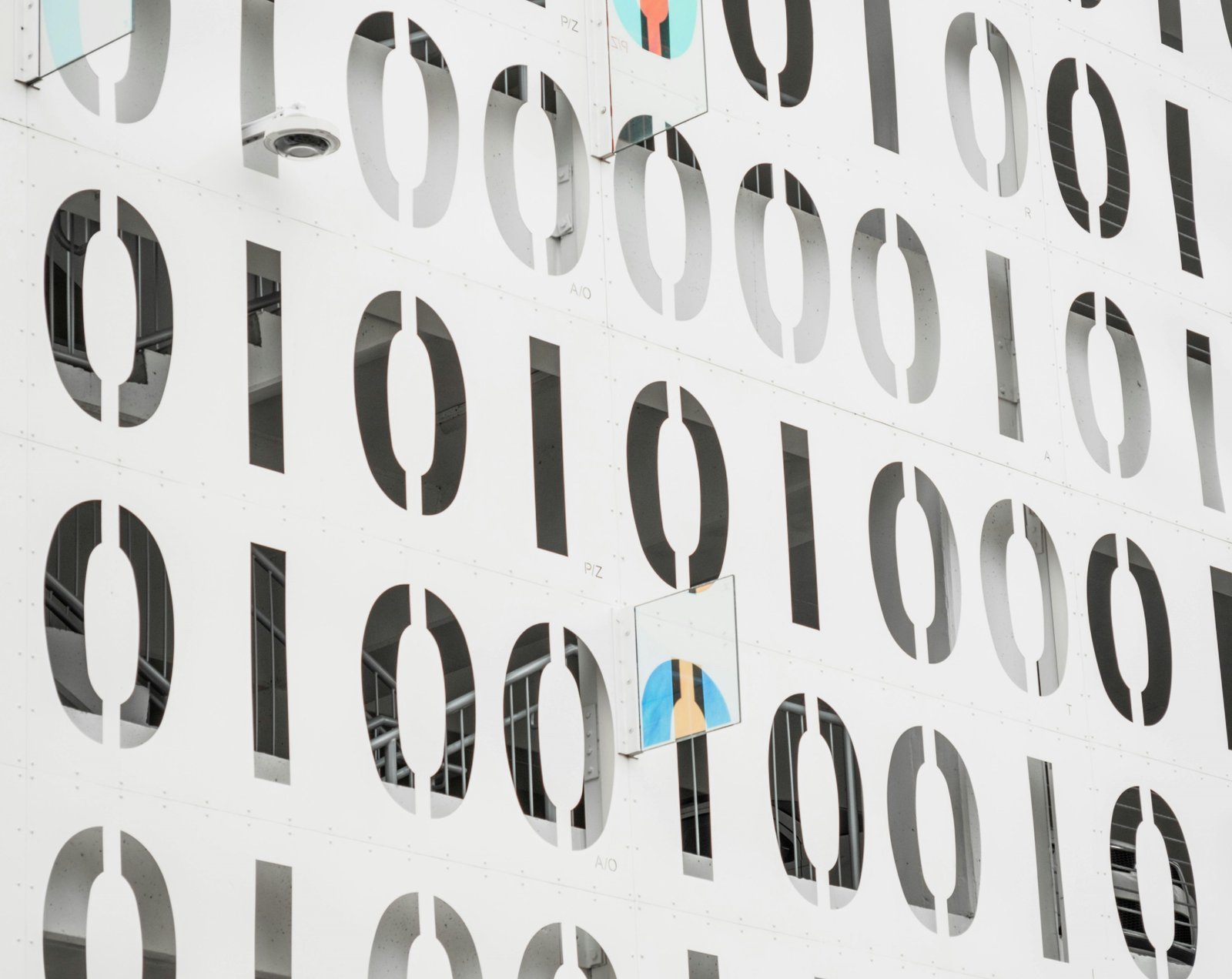
One of the key elements in the design and development of modern arm prosthetics is the integration of logic and sensors. These technologies allow the prosthetic to respond to the wearer's movements in a more natural and intuitive way. By incorporating logic systems, arm prosthetics can be programmed to interpret signals from the user's muscles and translate them into specific movements of the prosthetic device. For example, myoelectric prosthetics use sensors that detect muscle signals from the residual limb. These signals are then processed by a logic system within the prosthetic device, which in turn controls the movement of the prosthetic hand or arm. This closed-loop system enables the user to control the prosthetic with their own muscular contractions, providing a more seamless and intuitive user experience. Additionally, advancements in artificial intelligence and machine learning have further enhanced the capabilities of arm prosthetics. These technologies enable the prosthetic device to adapt and learn from the user's movements over time, allowing for more personalized and customizable functionality. By incorporating machine learning algorithms, prosthetic devices can also anticipate the user's intentions and adjust their movements accordingly. In conclusion, the integration of logic and sensor technologies has transformed the field of arm prosthetics, providing users with enhanced functionality and control over their prosthetic devices. As technology continues to advance, we can expect to see even more innovative solutions that improve the lives of individuals with limb loss.
Leave a Comment:
SEARCH
Recent News
- Zurich, Switzerland: Exploring Numerical Methods
- Zurich, Switzerland is a vibrant and cosmopolitan city known for its stunning natural beauty, historic architecture, and high quality of life. In recent years, Zurich has also gained recognition as a leading global financial hub and a key player in the digital economy. One interesting aspect of Zurich's thriving business landscape is its establishment as a "matrix" for various industries and technologies.
- Zurich, Switzerland is not only known for its stunning views, vibrant culture, and high standard of living, but also for its strong emphasis on mathematics education. With a rich history in the field of mathematics and a commitment to excellence in STEM (Science, Technology, Engineering, and Mathematics) education, Zurich has established itself as a hub for mathematical research and innovation.
- Zurich, Switzerland is a city that is renowned for its logical approach to various aspects of life. From its efficient public transportation system to its well-organized urban planning, Zurich exemplifies a sense of logic and order that is evident in every corner of the city.
- Tips for Creating and Translating Math Content for YouTube
- The Logic Behind Creating and Translating YouTube Content
- Exploring Numerical Methods on YouTube Channels
- YouTube has become a popular platform for learning and education, offering a plethora of content from various fields, including mathematics. There are numerous YouTube channels dedicated to making math more accessible and engaging for viewers of all ages and skill levels. These channels cover a wide range of topics, from basic arithmetic to advanced calculus, making it easier for those seeking to improve their mathematical understanding.
READ MORE
10 months ago Category :

Zurich, Switzerland: Exploring Numerical Methods
Read More →10 months ago Category :

Zurich, Switzerland is a vibrant and cosmopolitan city known for its stunning natural beauty, historic architecture, and high quality of life. In recent years, Zurich has also gained recognition as a leading global financial hub and a key player in the digital economy. One interesting aspect of Zurich's thriving business landscape is its establishment as a "matrix" for various industries and technologies.
Read More →10 months ago Category :

Zurich, Switzerland is not only known for its stunning views, vibrant culture, and high standard of living, but also for its strong emphasis on mathematics education. With a rich history in the field of mathematics and a commitment to excellence in STEM (Science, Technology, Engineering, and Mathematics) education, Zurich has established itself as a hub for mathematical research and innovation.
Read More →10 months ago Category :
